What lenders are legally required to do with personal belongings after repossession
When a car is repossessed, the vehicle itself becomes the lender’s business — but what’s inside it does not. In nearly every state, lenders and the repo companies working for them are required to inventory and safely store any personal property found in the car, and to give you a reasonable way to get it back. They generally cannot keep your belongings, sell them, throw them away, or use them to pressure you into paying off the loan faster.
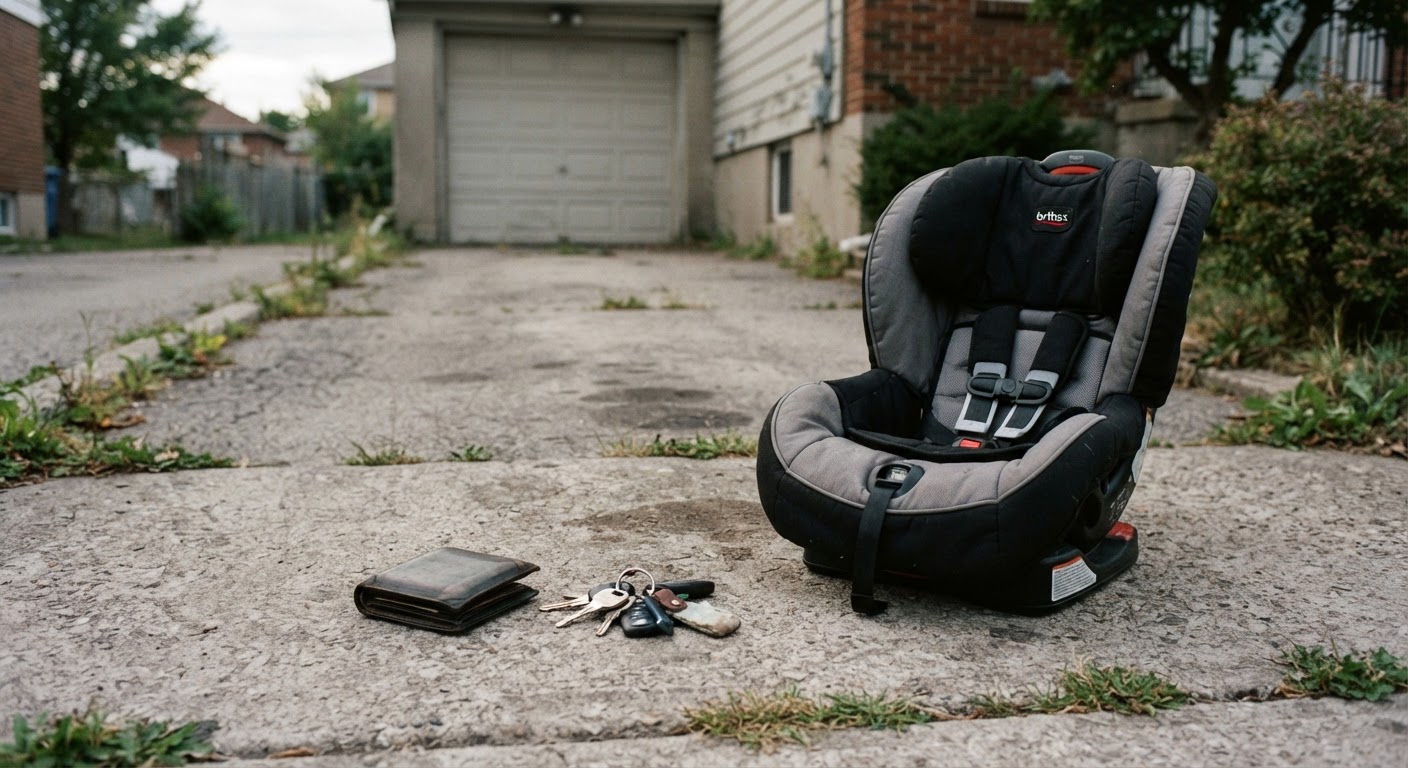
This applies to everything from loose items in the back seat to things bolted or wired in, like a car seat, a phone mount, or an aftermarket stereo, though rules on installed equipment can vary. Medication, documents, cash, electronics, tools, and children’s items are almost always treated as your property, full stop, regardless of what happens with the vehicle.
In practice, this means the repo company or the lender’s storage lot should have created a written list of what was in the car when it was towed. You have a right to ask for a copy of that inventory. If they can’t produce one, that’s a problem on their end, not proof that nothing was inside.
How long you typically have to claim your items before storage fees or disposal
Most states set a window during which the lender must hold your personal property before they’re allowed to dispose of it, often somewhere between a few days and a few weeks. Some places require them to mail or call you with notice before that clock even starts. The exact number of days depends heavily on where you live, so don’t assume you have plenty of time — assume the opposite and move fast.
A few things to know about this window:
Storage fees for the vehicle itself are separate from storage of your personal items. Many states prohibit lenders from charging you a fee just to retrieve your own belongings, even if you’re not paying to get the car back. If someone tells you that you have to pay a “release fee” to get your wallet or medication, ask them to point to exactly where that’s written in their policy, and get it in writing yourself.
If the lender or repo yard has a deadline for you to collect your things, missing it can sometimes mean losing them for good, or having them treated as abandoned and disposed of. This is why the phone call below should happen today, not after you’ve had time to figure out your next move on the car loan itself.
The exact call to make to the repo company or lender today
Start with the lender, not the tow yard, if you’re not sure who has your car. Your loan paperwork or a recent statement should have a phone number. If you already know which repo company towed the vehicle — sometimes there’s a notice left at the scene or at your home — you can call them directly.
Here’s a simple script to use:
“My vehicle was repossessed on [date], and I had personal property inside it, including [list specific items — car seat, medication, wallet, work tools, etc.]. I’m not calling about the loan right now. I need to know where my belongings are, how to retrieve them, and by what date I need to pick them up. Can you also send me a written inventory of what was removed from the car?”
Write down the name of whoever you speak with, the time of the call, and what they tell you. If they give you an address and hours for the storage lot, confirm whether you need to bring ID, and whether you can send someone else to pick items up on your behalf if you can’t get there yourself. This matters if you’re dealing with a shutoff notice or a shift you can’t miss and simply can’t get across town during business hours.
If your medication is in the car, say that specifically and ask if there’s an expedited process — some lenders will make same-day exceptions for medical necessities, especially if you frame it that way clearly and calmly.
If you’re told you have to pay any fee to get personal items back, ask for the specific policy or law they’re citing. Note it down. You don’t have to argue on the phone — just gather the information so you or someone helping you can check it afterward.
What to do if they claim your items are missing or damaged
Sometimes the answer you get is that they don’t have your things, that the car was “empty” when it arrived, or that something is broken. Don’t accept this as the end of the conversation.
Ask for the inventory sheet that should have been completed when the vehicle was towed. If one exists and it doesn’t match what you know was in the car, point that out specifically: “The inventory doesn’t list the car seat that was in the back seat when it was towed.” If no inventory exists at all, ask them to put in writing that no inventory was completed — this is useful documentation either way.
Take these steps as soon as possible:
Write a short, dated account of what was in the car, as specific as you can make it — brand, color, approximate value if you know it. Do this even before you talk to anyone, if you can, so your memory is fresh and consistent.
Ask for the name of the tow company that physically removed the car, since sometimes the tow company and the storage lot are different from the lender, and property can get separated or mishandled between them.
Request everything in writing — a claim number, an incident report, or an email confirming what was discussed. Verbal promises are hard to act on later if they don’t follow through.
If they acknowledge something is missing or damaged, ask what their claims process is for reimbursement or replacement, and get the timeline for that in writing too.
When to escalate to your state attorney general or a legal aid hotline
If the repo company or lender won’t give you a straight answer, won’t produce an inventory, is charging fees that seem improper, or is stalling past the window you were told you had, it’s time to get another party involved.
Your state attorney general’s office typically has a consumer protection division that handles complaints about repossession practices, including mishandling of personal property. Filing a complaint often takes fifteen minutes online and creates an official record, which can push a company to respond faster than another phone call from you will.
A legal aid hotline in your state or county is worth calling the same day if you feel like you’re being given the runaround, especially if what’s missing includes something essential like medication, identification documents, or a child’s car seat. Many legal aid organizations have same-day intake for urgent property and consumer issues, even if they can’t take on a full case.
If you’re a caseworker, shelter staff member, or family member helping someone through this, you can make these calls on their behalf in many cases, especially the attorney general complaint, as long as you have the basic facts: the date of repossession, the lender’s name, and a list of the missing items. Acting on someone else’s behalf when they’re overwhelmed or without reliable phone access can be the difference between belongings recovered this week and belongings gone for good.