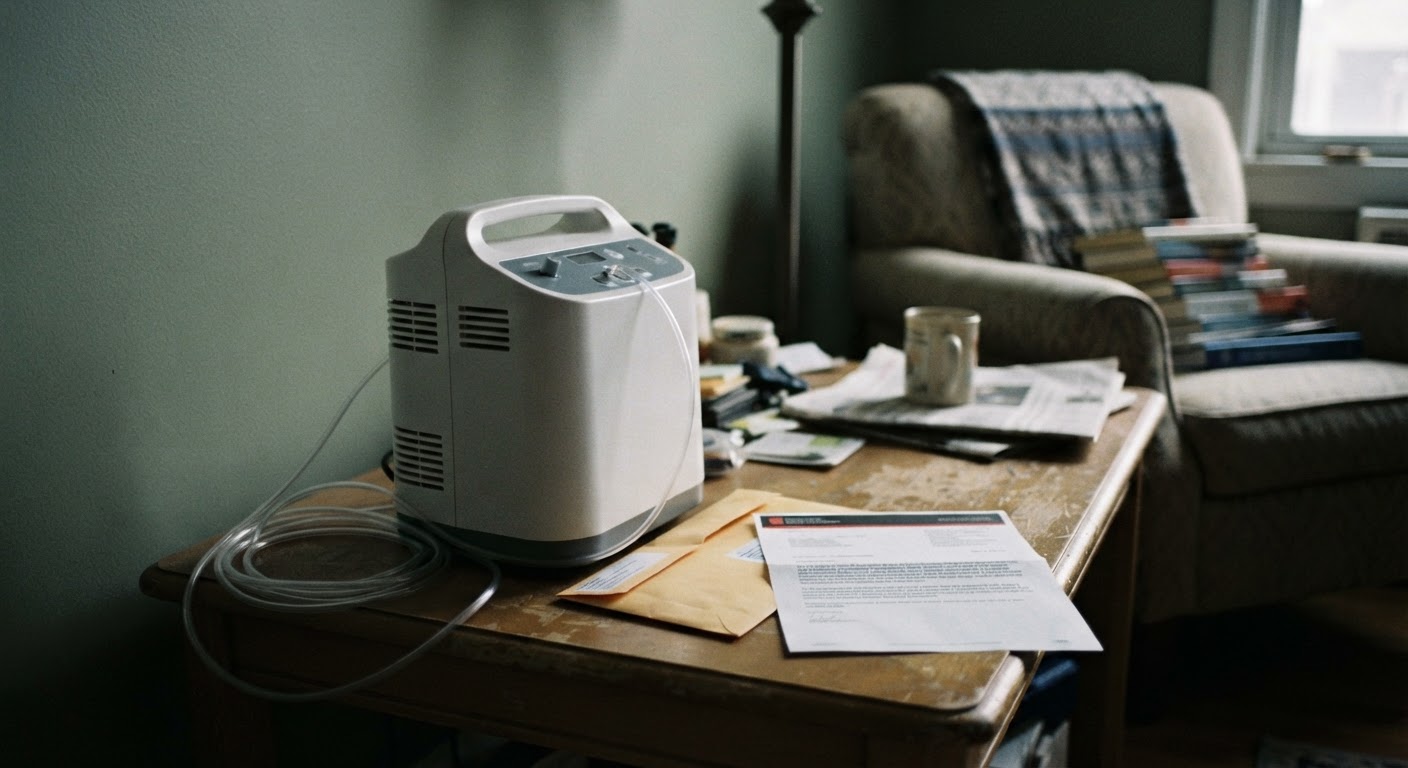
If someone in your home relies on an oxygen concentrator, a dialysis machine, a CPAP, refrigerated insulin, or any other powered medical equipment, a utility shutoff isn’t just an inconvenience. It’s a medical emergency waiting to happen. The good news is that almost every utility company has a process for this exact situation, usually called a “medical certificate,” “medical hold,” or “life-support exemption.” The bad news is that it only works if you act on it correctly and fast. Here’s how to do that.
What a “medical certificate” or “life-support hold” actually does and doesn’t guarantee
A medical certification is a form, signed by a qualifying medical professional, that tells the utility someone in the household depends on electricity, gas, or water for a documented medical condition. Once the utility accepts it, they’re generally required to delay or reverse a disconnection for a set period, often 30 to 60 days depending on the state and the utility’s own rules.
What it does not do is erase the bill. In almost every case, the underlying balance still exists, and you’re still expected to work out a payment arrangement during the hold period. Think of it as a pause button, not an off switch. Some utilities will also require you to set up a payment plan as a condition of keeping the hold in place, so don’t assume the paperwork alone ends the conversation with them.
It also doesn’t guarantee the hold is permanent or automatic next time. It typically has to be renewed, and if you let it lapse, the utility can resume the disconnection process as if the exemption never existed.
Who can sign the certification
The form usually needs a signature from someone with recognized medical authority over the patient’s care. Depending on the utility, that can include:
A treating physician or nurse practitioner. A durable medical equipment (DME) provider, meaning the company that supplied the oxygen concentrator, ventilator, or dialysis equipment. A home health agency nurse or case manager who is actively involved in the patient’s care. In some areas, a hospital discharge planner can also sign if the equipment need is tied to a recent hospital stay.
If you’re not sure who qualifies, call the utility’s customer service line and ask specifically: “What professional signatures do you accept on a medical certification form?” Get the answer in writing or note the date and name of the representative you spoke with. Utilities often have their own specific form, not a generic one, so ask them to email or fax it to you, or to the medical provider directly, rather than trying to find a version online that may not match what they require.
How fast utilities are required to process the request
In most states, once a complete medical certification is submitted, the utility has to act quickly, often within one business day, to place the hold on the account. The certification itself typically needs to be submitted before the disconnection happens, or in some cases within a short window right after a shutoff, since some jurisdictions require restoration if a valid certificate arrives soon enough.
The key phrase is “complete.” An incomplete form, a missing signature, or a diagnosis that doesn’t clearly tie to the equipment can get the request bounced back to you, and that back-and-forth costs time you don’t have. When you call the utility, ask directly: “What exactly does the form need to say to be accepted without delay?” Read back the requirements to whoever is filling out the form so nothing is missing on the first submission.
Note the name of whoever you speak with, the time, and the deadline they gave you. This matters if the shutoff proceeds anyway and you need to escalate quickly.
What to do if the shutoff deadline is sooner than your doctor can respond
This is the scenario that causes the most panic, and it’s more common than you’d think. Doctors’ offices are slow, DME suppliers have their own backlogs, and shutoff notices don’t wait.
Call the utility today, even before the form is signed, and tell them a medical certification is in progress. Ask if they can place a temporary hold while the paperwork is being completed. Many will do this if you can give them the name of the certifying provider and a realistic timeline.
If the utility won’t pause without the completed form, ask about your state’s public utility commission or consumer protection office. These agencies often have an emergency complaint line specifically for medical shutoff situations, and a complaint filed the same day can sometimes trigger an automatic delay while it’s reviewed.
If you’re working with a hospital or DME supplier, ask their staff directly if they have a fax number or fast-track process for utility medical forms. Many providers who work with medically dependent patients regularly have already streamlined this and can turn a form around within hours instead of days if you ask specifically for that.
If time runs out despite everything, tell the utility clearly, in writing if possible, that a life-sustaining medical device is on the account and that a certification is actively being processed. This creates a record that can matter if you need to push for immediate reconnection.
Backup power and cooling options while paperwork is pending
While the hold request is moving through the system, don’t wait passively if there’s any real risk of the power going out. A few practical steps:
Contact the DME supplier about a backup battery or generator loaner for the specific equipment. Many suppliers keep a small stock of backup batteries for oxygen concentrators and similar devices for exactly this situation.
If refrigerated medication is the concern, ask a pharmacy whether they can hold a short-term supply for you, or whether a cooler with ice packs can bridge a gap of a day or two, and confirm the specific storage window with the pharmacist rather than guessing.
Identify a nearby location with reliable power, such as a relative’s home, a shelter, or in some cases a hospital or fire station, in case the equipment needs to move rather than wait for the power to come back.
Call 211 or a local aging and disability resource center to ask about emergency backup power programs; some regions have short-term loaner generator programs specifically for medically fragile households.
Renewing the exemption before it expires so this doesn’t repeat next month
Write down the exact expiration date of the hold the moment you get confirmation it’s approved. Set a reminder at least two weeks before that date, not the day before, because renewal paperwork can take just as long as the original request.
Ask the utility directly whether renewal requires a brand-new certification from scratch or just a shorter confirmation that the medical need is ongoing. Some utilities simplify the second round if the same provider confirms nothing has changed.
At the same time, use the hold period to actually address the balance behind it, whether that’s a payment plan, a hardship program, or a local assistance fund, since the hold protects the equipment but not the account standing. Ask the utility specifically what happens to the balance once the hold period ends, so you’re not caught off guard by a lump-sum demand later.