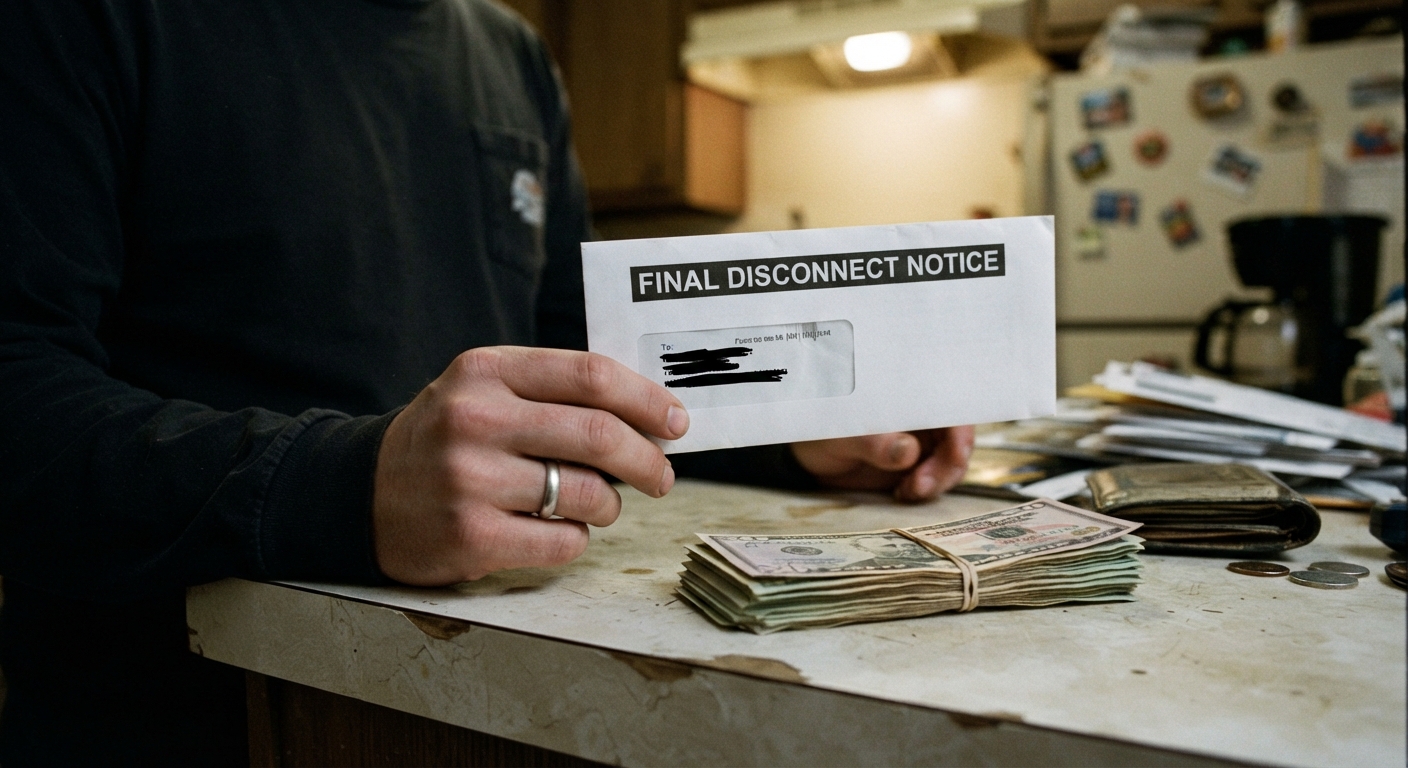
Why utilities require reconnection deposits and how they calculate the amount
When a utility shuts off your service for nonpayment, most companies don’t just want the overdue balance before they turn it back on. They also want proof that you’re a lower risk going forward, and that proof usually comes in the form of a deposit. From the utility’s perspective, you’ve already shown you can fall behind, so they’re protecting themselves against it happening again.
The deposit amount isn’t usually pulled out of thin air. Most utilities calculate it based on your average monthly usage over the past year, often multiplied by two or three months’ worth of estimated charges. If you don’t have a usage history with them, or if your account shows a pattern of late payments or previous shutoffs, they may default to a higher flat amount instead. That’s why two households on the same block can be quoted very different deposit figures for what looks like a similar situation.
It helps to ask the utility directly how they arrived at your number. Request the calculation in writing or over the phone, and ask whether it’s based on estimated usage or your actual billing history. Sometimes deposits are set using outdated estimates, especially if your usage has dropped since a household member moved out or you replaced an old appliance. Pointing that out can sometimes get the number adjusted before you even ask for a waiver.
Asking for a deposit waiver based on hardship or medical need
Many utilities have an internal process for waiving or reducing a reconnection deposit, but they rarely advertise it. You typically have to ask specifically, using the right words. Instead of saying “I can’t pay this,” ask directly: “Is there a hardship waiver or reduced deposit option for reconnection?”
Medical need carries particular weight. If anyone in the household relies on electricity for medical equipment, refrigerated medication, oxygen concentrators, or similar needs, say so clearly and ask whether that qualifies the account for medical-priority status. Many utilities keep a separate list for these accounts and treat them differently when it comes to both shutoff timing and deposit requirements. If a doctor or clinic can provide a short letter confirming the medical need, having it ready can speed this along.
Other hardship categories worth mentioning include recent job loss, a reduction in household income, a death in the family, or being newly responsible for children or an elderly relative. You don’t need to prove every detail on the first call, but naming the specific hardship rather than speaking generally gives the representative something concrete to note on your account and potentially escalate to a supervisor.
State rules that cap or limit reconnection deposits
In many states, utility companies don’t have unlimited discretion over what they can charge for a reconnection deposit. State utility commissions or public service commissions often set rules that cap deposit amounts, limit how often a deposit can be required, or require the utility to offer a payment plan instead of a lump sum in certain circumstances.
These rules vary widely depending on where you live and which type of utility you’re dealing with, since electric, gas, and water services are sometimes regulated differently. Because of that variation, it’s worth contacting your state’s public utility commission or consumer protection office directly and asking two specific questions: whether there’s a maximum deposit amount for your situation, and whether the utility is required to offer an installment option for the deposit itself, separate from the overdue balance.
If the utility representative tells you a deposit amount that seems unusually high, mentioning that you plan to check with the state commission is not confrontational, it’s a normal step. Utilities are used to hearing it, and it sometimes prompts a second look at your account before you even make the call.
Third-party assistance funds that can cover the deposit specifically
Reconnection deposits are often treated separately from overdue balances, which means the assistance programs that can help are sometimes separate too. Some energy assistance funds, community action agencies, and local nonprofit programs are set up specifically to cover deposits and reconnection fees, distinct from the past-due bill itself.
When you contact any assistance program, ask directly whether they cover reconnection deposits, not just overdue balances. Some caseworkers default to describing what they cover most often, which is usually the unpaid bill, and won’t mention deposit coverage unless you ask about it by name. Religious congregations, local charities, and township or county emergency assistance offices sometimes have small discretionary funds for exactly this kind of gap, even when they don’t have a large public program.
If you’re working with a caseworker or shelter staff member, ask them to call the utility directly with you on the phone, or with your written permission. Utilities sometimes process third-party pledges differently than individual customer payments, and having someone experienced with that process can prevent delays or paperwork mismatches that would otherwise slow down your reconnection.
Getting the deposit split across several bills instead of paid at once
If a waiver isn’t available, ask whether the deposit can be spread across future bills instead of paid before reconnection. Some utilities will restore service with a partial deposit payment, then add the remaining amount in equal installments over two to six billing cycles going forward.
This isn’t always offered upfront, so it’s worth asking plainly: “Can the deposit be split across my next several bills instead of paid now?” If the first representative says no, it can help to ask whether a supervisor has discretion to approve a payment arrangement, since front-line staff sometimes have less flexibility than the people they report to.
When you do get an installment arrangement, ask for it in writing, whether that’s an email, a portal confirmation, or a letter. Get the exact dollar amount and due date for each installment, and note what happens if you’re late on one, since a missed installment payment can sometimes trigger another shutoff even after service has been restored.
What happens to the deposit later and how to get it back
Reconnection deposits aren’t usually permanent. Most utilities will refund the deposit, sometimes with interest, after you’ve maintained a clean payment history for a set stretch of time, often somewhere between one and two years. Some utilities apply the refund as a credit directly to a future bill instead of sending a check, so it’s worth asking which method they use.
Mark the date the deposit was paid somewhere you’ll remember, whether that’s a calendar reminder, a note on your phone, or a folder with your utility paperwork. Utilities don’t always proactively return deposits on schedule, and customers sometimes only get them back after asking. If you move to a different address served by the same utility, ask whether the deposit can transfer to the new account instead of being repaid and re-collected.
If you close your account entirely, ask what happens to the deposit at that point specifically, since some utilities apply it to your final bill automatically while others require a separate refund request. Keeping your own paper trail, including the original deposit receipt and any later account statements, makes it much easier to follow up if the refund doesn’t show up when expected.