How insurance lapse notices differ from late-payment notices
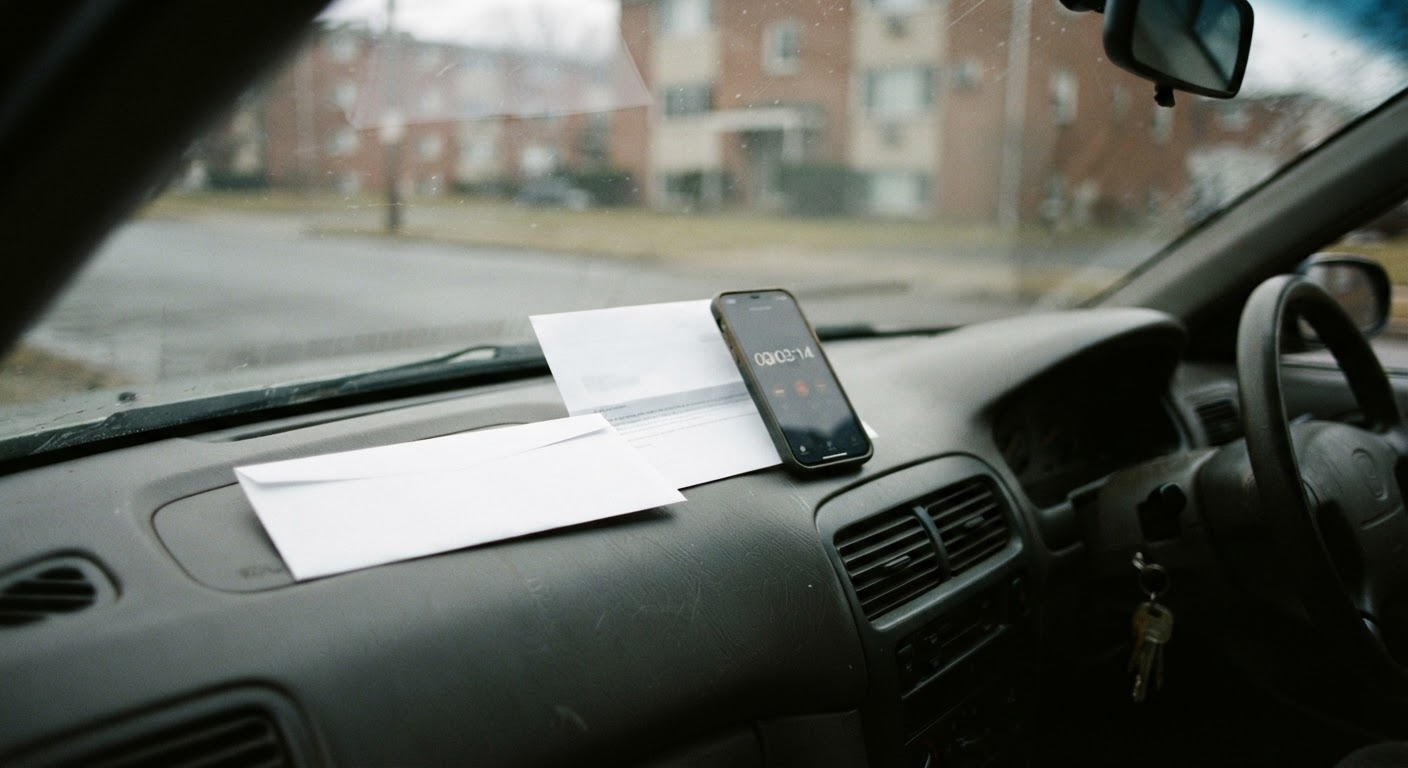
A late-payment notice from your insurer is a nudge. A lapse or cancellation notice is a countdown. The two get confused because they often arrive looking similar — same insurer letterhead, same account number, same “action required” language. But a late-payment notice usually means the company is still covering you while it waits for the check to clear. A cancellation notice means coverage has already ended, or is about to end on a specific date, whether or not you send money afterward.
The distinction matters because everything downstream — your lender, the state DMV, and your own legal exposure if you’re in an accident — hinges on whether a policy was active on a given day. Read the notice twice and find the actual word used: “past due,” “pending cancellation,” or “cancelled.” Each one puts you at a different point on the timeline, and each one requires a different response.
The grace period most insurers give before cancellation is final
Most auto policies include a short grace period after a missed premium — commonly somewhere between 10 and 30 days, depending on the insurer and the state. During that window, the policy is technically still in force, and paying the overdue amount in full usually restores coverage without a new application or a rate reset.
Once that grace period closes, the policy is cancelled, not just late. Getting coverage back at that point usually means reapplying, which can trigger a new rate quote, a new underwriting review, or a requirement to pay a full month or more up front. If you’re inside the grace period right now, that’s the cheapest and fastest moment to act — a phone call and a payment can often solve this same day. If you’ve already received a formal cancellation confirmation, don’t assume the old policy can simply be turned back on; call the insurer and ask directly whether reinstatement is possible or whether you need a new policy.
Why your auto lender may add ‘force-placed’ insurance at a much higher cost
If you have a car loan, your lender almost certainly requires proof of continuous insurance as a condition of that loan — it’s usually written into the paperwork you signed, even if you never noticed it. Lenders monitor this through data feeds from insurance companies, so a lapse can show up on the lender’s side within days, sometimes before you’ve even opened the cancellation letter.
When a lender sees a gap in coverage, many will place their own “force-placed” or “lender-placed” insurance policy on the vehicle to protect their collateral. This coverage protects the lender, not you — it typically doesn’t cover liability to other drivers, doesn’t cover your medical costs, and costs substantially more per month than a standard policy you’d buy yourself. That premium gets added directly to your loan balance or billed separately, on top of whatever payment you already owe.
The fastest way to avoid this is to get proof of new or reinstated coverage to your lender before they act, not after. If force-placed insurance has already been added, ask the lender in writing what proof they need to remove it and how far back they’ll backdate the removal once you show continuous coverage.
How a lapse can flag your loan as in default even if payments are current
This is the part that catches people off guard. Many loan agreements define “default” broadly enough to include a lack of required insurance, separate from whether you’ve made your monthly payments. That means you can be fully current on the loan itself and still be in technical default because of the lapse alone.
A default flag — even one caused only by an insurance gap — can be enough to trigger repossession activity under some loan terms, particularly if the lapse happens more than once or goes unresolved for an extended period. Repossession over an insurance lapse rather than a missed payment is less common but real, and it tends to move fast once a lender’s system flags the account, because there’s no payment plan to negotiate — the account is simply “out of compliance.”
If you get any letter, call, or text referencing “default” tied to insurance, don’t assume it’s boilerplate. Ask the lender directly whether the account is flagged for repossession risk and what specific document they need to clear it. Get the answer in writing or note the date, time, and name of whoever you spoke with.
Same-week ways to get minimum coverage reinstated or replaced
You don’t need to solve your entire insurance situation today — you need proof of active coverage in hand, fast. A few paths, roughly in order of speed:
Call your current insurer first, even if you think the policy is dead. Ask two questions: is reinstatement still possible, and if so, what is the exact amount and deadline to make it happen. Some insurers will reinstate same-day with a phone payment.
If reinstatement isn’t available, ask about a state minimum liability policy rather than your old coverage level. It’s the fastest, cheapest way to get legal proof of insurance in place today, even if it’s not the coverage you’d choose under normal circumstances. You can often upgrade the policy later once the immediate deadline has passed.
If cost is the barrier, ask the new insurer about a low-down-payment or pay-per-month structure — many carriers offer this specifically because lapses are common. Some state insurance departments also maintain assigned-risk or last-resort pools for drivers who can’t get coverage through the standard market; ask any agent whether your state has one if you’re turned down outright.
Once you have a new or reinstated policy, get the proof-of-insurance document — usually a PDF or ID card — emailed to yourself immediately, and send a copy to your lender the same day. Don’t wait for the physical card to arrive by mail.
What to say if a lender or DMV contacts you about the lapse
Keep it factual and short. If a lender calls, tell them the coverage lapsed on a specific date, whether it’s reinstated or replaced yet, and when you expect to have proof to send. Ask them directly: “Is force-placed insurance active on this account, and what do you need from me to remove it?” Write down what they say.
If the DMV sends a notice about a lapse — many states get automatic reports from insurers when a policy cancels — respond before any suspension date listed on the letter, not after. Ask specifically what proof of current insurance they require and whether there’s a reinstatement fee tied to the license or registration. Paying that fee promptly is usually far cheaper and faster than letting a suspension take effect and then trying to reverse it later.
In either conversation, avoid guessing or promising a date you’re not sure of. If you don’t know when new coverage will be active, say so and give a realistic follow-up time. A lender or DMV rep dealing with a clear, specific answer is far less likely to escalate than one left waiting on vague reassurance.