Start with 211, right now
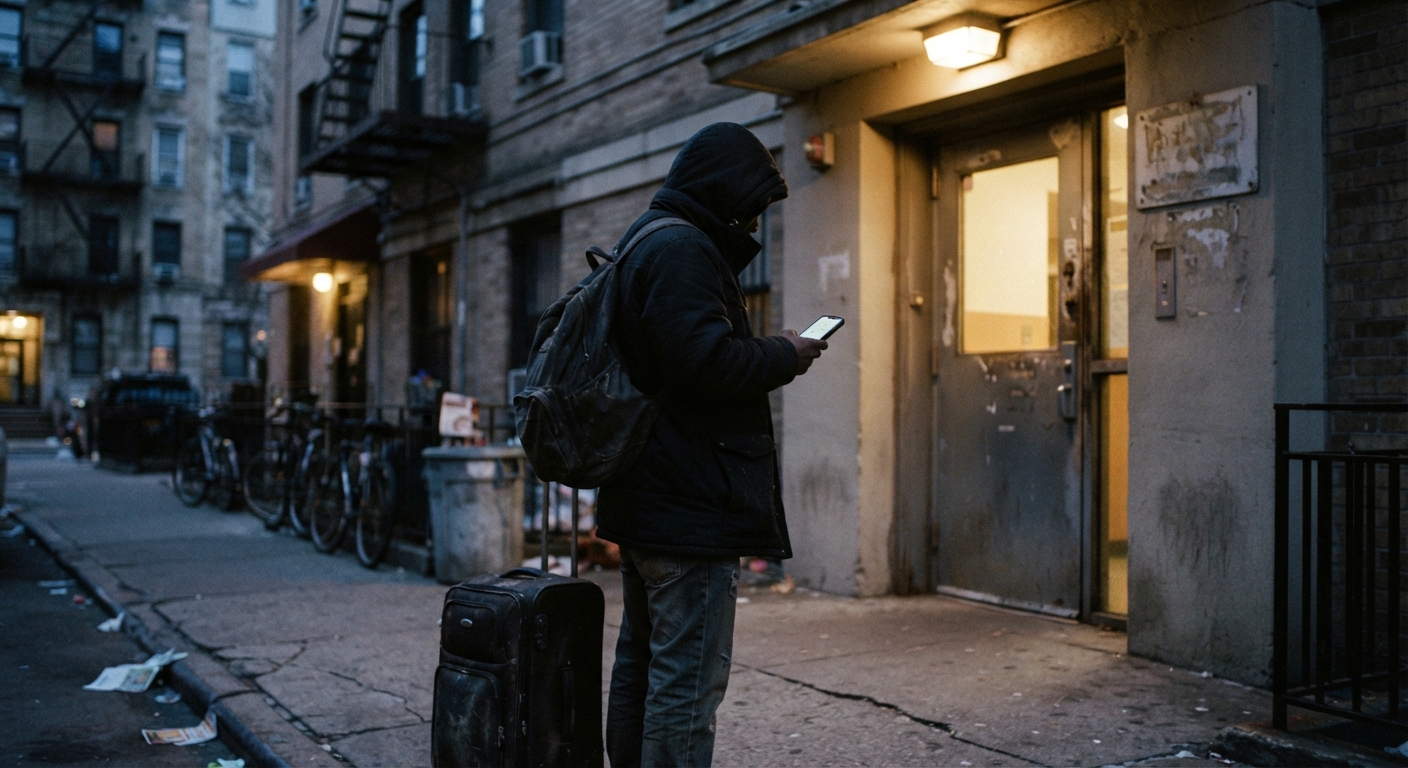
If you take nothing else from this article, take this: call 211 before you do anything else. It’s a free, confidential hotline that operates in most areas around the clock, and the people answering it have live information on which shelters have open beds tonight — not last week, not “usually,” but tonight. Dialing 311 or searching online can waste time you don’t have, so use the phone if you can.
Tell the person who answers exactly what’s true: that you were just evicted or locked out, how many people are with you, whether anyone is a minor, elderly, pregnant, or has a disability, and whether you have a car. They’ll check availability with your local Continuum of Care, which is the network of shelters, transitional housing providers, and homelessness services that coordinates placements in your region. If a bed exists tonight, this is usually the fastest way to find it.
If 211 doesn’t answer quickly or coverage is thin in your area, search “[your county] Continuum of Care coordinated entry” or “[your city] emergency shelter intake.” Many regions also have a dedicated homelessness hotline separate from 211 — ask whoever you reach for that number too, in case you need a backup line later tonight.
Motel vouchers when shelters aren’t the right fit
Shelter beds aren’t always available, and sometimes they’re not appropriate for your situation — maybe you have a medical condition, a large family, or you simply can’t get to the shelter’s location before curfew. Motel vouchers are the next option, and they’re more common than people expect.
County human services departments often have small emergency assistance funds that cover one to a few nights in a motel, especially for families with children. Ask 211 to check this, or call your county’s department of social services directly and ask specifically for “emergency shelter” or “homeless prevention” funds — the phrasing matters, since general assistance lines may not know what to do with a vaguer request.
The Salvation Army and local churches are the other major source of same-night motel help. Call the nearest Salvation Army location directly rather than a national line if possible; local offices control their own emergency funds and can often say yes or no within minutes. If a church doesn’t have funds itself, staff there frequently know which nearby congregation does — clergy and shelter staff talk to each other regularly, and referrals move fast in this network. Catholic Charities and Jewish Family Services also run emergency assistance programs in many cities regardless of your own religious background.
If everything is full
Shelters and vouchers can run out, especially during extreme weather or at the end of the month. If you hit a wall, ask specifically about overflow shelter sites — many cities open extra locations, sometimes in recreation centers or churches, once main shelters reach capacity, but they aren’t always listed publicly and you may need to ask 211 or shelter staff by name.
During dangerously hot or cold weather, warming centers and cooling centers open as a stopgap. They’re not designed for sleeping, but many allow it when temperatures are severe, and staying there is far safer than being outside. Ask what time they open and whether they operate overnight or only during the day.
If you have a car, ask about safe parking programs. These let people sleep in their vehicles in a monitored lot, often with access to restrooms and basic security, and they exist in a growing number of cities. They’re worth asking about specifically, since they’re easy to miss if you’re only asking about “shelter.”
Matching the situation to the right option
Families with children are usually prioritized for motel vouchers and family-specific shelters, since many general shelters don’t accept minors or separate families by gender. When you call 211, say clearly that children are with you — this changes which resources they’ll offer first.
Single adults typically have access to the widest range of general shelter beds but the least flexibility on vouchers, since those funds are often earmarked for families. If you’re a single adult, ask directly whether any motel funds are available for individuals, since some programs do include them even if it’s not advertised.
If you’re fleeing domestic violence, say so explicitly and ask for a domestic violence shelter or safe house rather than a general shelter. These locations keep their addresses confidential for safety reasons, and staff are trained specifically to help with safety planning, protective orders, and getting children enrolled in school without alerting an abuser to your location. A domestic violence hotline can also connect you directly to these resources faster than a general shelter line.
If you have a pet
Losing your home shouldn’t mean losing your pet, but many general shelters can’t accept animals due to space or health regulations. Ask 211 or shelter staff specifically which nearby shelters are pet-friendly — a growing number now are, particularly ones designed for families.
If no pet-friendly shelter is available, ask about temporary fostering through a local animal shelter or humane society. Many run short-term “safety net” boarding programs specifically for people in housing crises, holding pets for free or low cost until you’re stable again. This keeps you from having to choose between shelter for yourself and safety for your animal, and most programs are set up to reunite you as soon as you have stable housing.
Keeping your belongings safe
If you can’t take everything with you, ask the shelter or county emergency services about free or low-cost storage programs — some Continuums of Care partner with local storage facilities or churches to hold belongings for a limited time during a housing crisis. This is worth asking about immediately, since spots can be limited.
If no formal storage option exists, a trusted friend or family member’s garage or spare room is often the safest fallback. Keep anything irreplaceable — identification, medication, important documents — with you rather than in storage, since you’ll need these for shelter intake and any housing applications that follow.
Starting your next application tonight
Once you’re safe for the night, ask shelter or 211 staff to start your coordinated entry assessment if you haven’t already done one. This is the standard process most regions use to place people into rapid re-housing programs, which provide short-term rental assistance and help finding a new lease. The sooner you’re in this system, the sooner you move up the list, so it’s worth doing even while you’re still figuring out where you’ll sleep. Ask for a case manager’s direct contact and a copy of anything you sign, so you have a paper trail to follow up on in the days ahead.