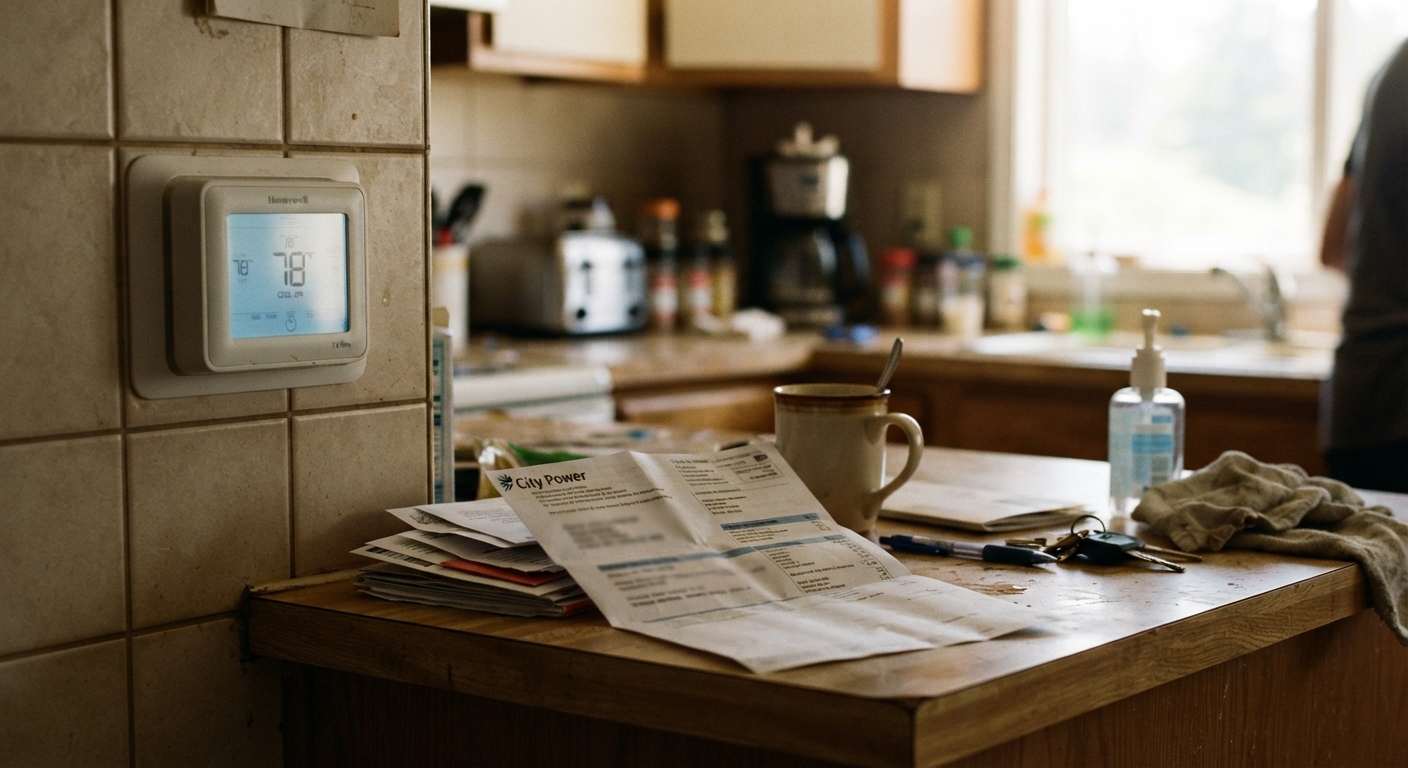
A disconnect notice feels urgent no matter what time of year it arrives. But when it lands during a heat advisory, the calculation changes. Losing power in a heat wave isn’t just an inconvenience — it’s a medical risk, and a growing number of states and utilities treat it that way. That distinction matters because it can unlock protections that a routine past-due notice never would.
Why extreme heat triggers different protections than a normal shutoff notice
Most disconnect rules are built around winter. Cold-weather shutoff bans are common and well known. Heat protections exist too, but they’re newer, less consistent, and often tied to a specific weather trigger rather than a calendar date. That means the protection might only turn on when the forecast hits a certain temperature threshold, or when the National Weather Service issues an advisory or warning for your area.
The logic behind these rules is straightforward: without cooling, heat can be lethal for infants, older adults, and people with certain health conditions much faster than cold can. Regulators who have added heat rules generally did so because emergency rooms and utility commissions saw the pattern and responded. If your area has one of these rules, a shutoff during an active heat event can be paused, delayed, or reversed — but only if you know the rule exists and you ask for it by name.
How to find out if your state or utility has a heat advisory disconnect rule right now
Start with two calls, made the same day, in this order:
First, call your state’s public utility commission or public service commission. Ask directly: “Does this state have a heat-related or extreme-temperature disconnect moratorium, and is it currently active?” Ask them to tell you the temperature or advisory trigger, and whether it applies to electric, gas, or both.
Second, call your utility’s customer service line and ask the same question about the utility’s own policy. Some utilities have voluntary summer protections that go further than state law requires, especially for customers who are elderly, disabled, or medically dependent on cooling or refrigerated medication. Ask specifically for a supervisor or the “medical hold” or “critical care” department if the first representative says no.
Write down the name of every person you speak with, the date, and what they told you. If a rule is active, ask them to note the account with the specific protection you’re invoking and get a confirmation number or reference ID before you hang up.
Documenting a heat-related medical risk to qualify for an emergency hold
Even where a general heat moratorium doesn’t apply, many utilities offer an individual medical hold that delays disconnection for a household with a documented health risk. This is different from the weather-based rule — it’s about the specific person in the home, not the temperature outside.
To use this route, you typically need a note from a doctor, nurse practitioner, or other licensed medical provider stating that a household member has a condition made dangerous by loss of cooling — this can include heart or lung disease, pregnancy, certain medications, or being medically fragile due to age. The note usually needs to be on letterhead or a prescription pad, dated recently, and sent directly to the utility’s medical or critical-care unit, not just handed to the person collecting the bill.
If you don’t have a regular doctor, a community health clinic, urgent care visit, or a nurse line through your insurance can often provide this documentation same-day. Ask the utility exactly what format they require before you go get it, so you don’t have to make a second trip.
A medical hold usually buys time, not forgiveness. It stops the immediate shutoff while you work on the underlying bill through a payment plan or assistance program described below.
Cooling assistance programs and where the money actually comes from
Financial help for cooling costs generally comes from a few overlapping sources, and it helps to know which one you’re actually applying to when you make calls.
Federal energy assistance funding is distributed to states and then passed down to local community action agencies, which is why the application often happens at a community organization near you rather than directly with the government. These agencies can pay all or part of a past-due balance, and some maintain a separate emergency or crisis fund specifically for active disconnect notices, which moves faster than the standard application.
Utility-run hardship funds are separate from government assistance and are usually funded through customer donations or company contributions. These funds often have simpler applications and can be approved faster than a government program, so ask your utility directly whether they have one, even if you’ve already applied elsewhere.
Local charities, including faith-based organizations and community foundations, sometimes step in specifically during heat waves with short-term grants for utility bills. A caseworker or 211 referral line can usually tell you same-day which of these have funds available right now, since availability changes week to week.
When you call any of these, lead with the fact that you have an active disconnect notice and a heat advisory in effect. That combination often moves you to the front of the queue.
What to do if your utility says heat rules don’t apply to your case
If a representative tells you no protection applies, don’t treat that as the final answer from the company. Ask them to state the specific reason in writing or by email, and ask for the name of the department that handles disconnect appeals or hardship reviews. Utilities are large organizations, and the first person you reach may not have full authority or full knowledge of every current program.
From there, call your state utility commission back and describe exactly what you were told. Commissions generally have a consumer complaint or informal dispute process, and filing one can pause a disconnection while it’s reviewed. Ask specifically whether filing a complaint puts a hold on the shutoff date.
If you’re working with a caseworker, shelter, or advocacy organization, ask them whether they can make a direct call to the utility’s community liaison or account escalation team. Many utilities have a separate line for agencies that moves faster than the general customer line.
Backup options: cooling centers, fans, and short-term relocation if the shutoff happens anyway
If the power is cut before any hold takes effect, focus on getting through the next 24 to 48 hours safely while you keep working the assistance angle.
Call 211 or your local emergency management line to find the nearest cooling center — many cities open libraries, community centers, or senior centers with extended hours during a heat advisory specifically for this purpose. Some transit systems offer free rides to cooling centers during an official advisory, so ask about that when you call.
If leaving isn’t possible, battery-powered fans, cold wet cloths on the neck and wrists, and staying on the lowest floor of the home can reduce risk in the short term. Check on infants, older adults, and anyone with a chronic illness more frequently than usual, and know the signs of heat exhaustion so you can act before it becomes a heat stroke emergency.
If anyone in the household is in a high-risk group, ask a shelter, hospital, or family member about short-term relocation for a night or two while the utility issue gets resolved. This isn’t a permanent fix, but it removes the most dangerous variable — no cooling during a heat wave — while the paperwork catches up.