Understanding joint and several liability on a shared lease
Most shared leases are written so that every named tenant is responsible for the entire rent, not just an equal slice of it. This is called joint and several liability, and it’s the single most important thing to understand right now. It means your landlord doesn’t have to chase your roommate for their portion and let you off the hook for yours. Legally, they can come to whichever tenant is still around and demand the full amount, then let the tenants sort out who owes whom later.
Pull out your lease and look for language like “jointly and severally liable” or “each tenant is responsible for the full amount of rent due.” If your name is on that lease alongside your roommate’s, this clause almost certainly applies to you. It doesn’t matter that you only ever paid half, or that the arrangement felt like two separate deals under one roof. On paper, the landlord sees one obligation and two (or more) people who agreed to cover it.
Why landlords can pursue you for the full rent, not just your share
This setup exists to protect the landlord, not the tenants. From their perspective, they rented one unit to a group of people who all signed the same document, and they shouldn’t have to sort out internal disputes between roommates to get paid. That’s why an eviction notice or demand for rent will typically list the full balance due, addressed to you, even though you only failed to pay your usual half.
This can feel deeply unfair, especially if you’ve never missed a payment and the shortfall is entirely because your roommate vanished. But an eviction case is not a referendum on who owes what to whom. It’s about whether the landlord received full payment. If they didn’t, you are, unfortunately, still a target for that case regardless of your personal payment history. Understanding this early lets you act quickly instead of assuming your good track record will shield you.
Documenting the departure: texts, keys, and moved belongings as evidence
Start gathering proof of what happened, today if you can. This won’t necessarily stop an eviction filing, but it matters for three things: any conversation with your landlord, a possible small claims case against your former roommate later, and your own record if a dispute ever needs to be untangled in front of a judge.
Useful documentation includes:
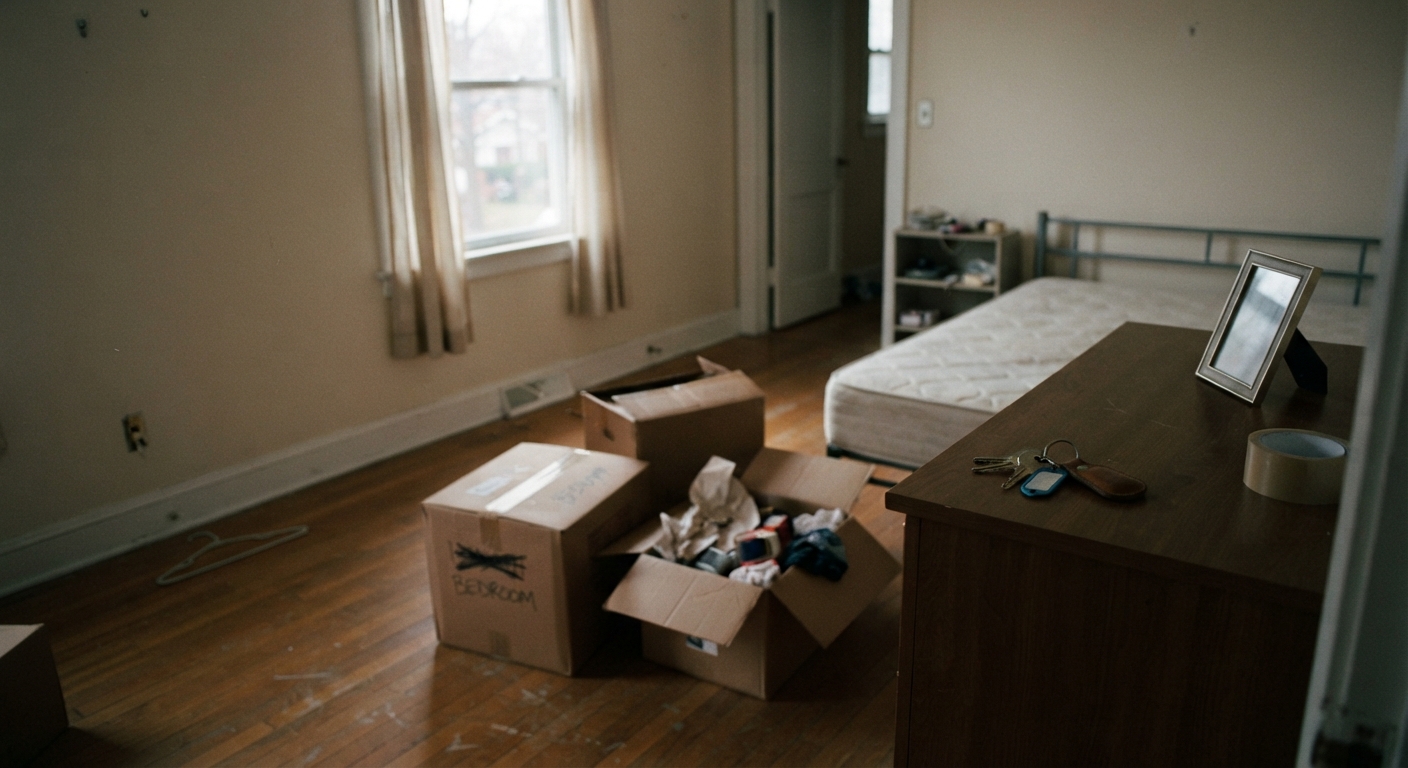
Text messages or emails where your roommate mentions moving out, stops responding, or admits they can’t pay. Screenshots with visible dates are best. A record of the keys, if they handed them over, mailed them, or left them behind, note when and how. Photos of the unit showing that their belongings are gone, ideally with a timestamp. Any mail forwarding notices, social media posts, or new address information that shows they’ve relocated. A simple written timeline you keep for yourself: last date they paid rent, last date you had contact, date you noticed belongings missing, date you realized rent would be short.
Keep copies somewhere other than just your phone, since phones get lost or damaged at the worst possible time.
Options for removing a roommate from the lease going forward
If your roommate is truly gone and not coming back, staying on a lease together indefinitely usually isn’t in anyone’s interest, especially yours. A few paths exist, though all require your landlord’s cooperation since they’re a party to the lease too.
You can ask the landlord to formally remove the departed roommate’s name through a lease amendment or a new lease in your name alone. Landlords aren’t obligated to agree to this, but many will consider it, especially if you can show you’re able to cover the rent going forward or bring in a new roommate they approve. You can also ask whether the existing lease allows for early termination by mutual agreement, which might let you exit and re-lease as an individual tenant rather than staying bound to an arrangement built for two incomes.
Don’t assume any of this happens automatically just because your roommate left. Until the landlord agrees to change the paperwork, you remain jointly and severally liable for the full lease as originally signed, even if your ex-roommate is three states away and unreachable.
Negotiating a partial payment plan with your landlord before eviction is filed
If you’re behind because of your roommate’s share, reach out to your landlord before they file anything, if there’s still time. Landlords generally prefer getting paid over going through an eviction process, which costs them time and money too. Explain the situation plainly: your roommate left without notice, you’re covering your portion, and you need a short-term arrangement to make up the gap.
Ask specifically about a written payment plan that spreads the shortfall over the next month or two, rather than demanding it all at once. Put any agreement in writing, even if it’s just a text confirming the terms, so there’s no confusion later about what was promised. If you’ve already received a formal notice, this conversation is even more urgent. Many jurisdictions have a window between when a notice is served and when a case can actually be filed in court, and using that time to negotiate is far better than waiting to see what happens.
Small claims court and other ways to recover money from the roommate who left
Once your immediate housing situation is stable, you can pursue the money your roommate owes you separately from anything happening with your landlord. Small claims court exists for exactly this kind of dispute and generally doesn’t require a lawyer to file. You’ll want your documentation, the lease showing both names, records of what you paid on their behalf, and any communication about their departure.
Keep in mind that winning a judgment doesn’t guarantee collection. If your former roommate has no steady income or assets, an unpaid judgment might sit for a while before you see any money. Still, filing puts the debt on record and can be worth pursuing, particularly if you know where they currently live or work, which makes collection more realistic.
When to look for a replacement roommate versus breaking the lease yourself
If staying in the unit is financially workable once you fix the paperwork, finding a replacement roommate is usually the fastest way back to stability. Ask your landlord about their approval process for new tenants, since most leases require the landlord to sign off on anyone new moving in and taking over a share of the rent.
If covering the rent alone isn’t realistic even short term, and a replacement isn’t coming together fast enough to avoid falling further behind, breaking the lease yourself may be the more honest option. Look at what your lease says about early termination, notice periods, and any fees involved. Weigh that cost against the risk of continuing to fall behind on a rent amount you can’t sustain solo. Either path is workable, but the decision should be based on your actual monthly numbers, not just hope that a new roommate will appear before the next payment is due.