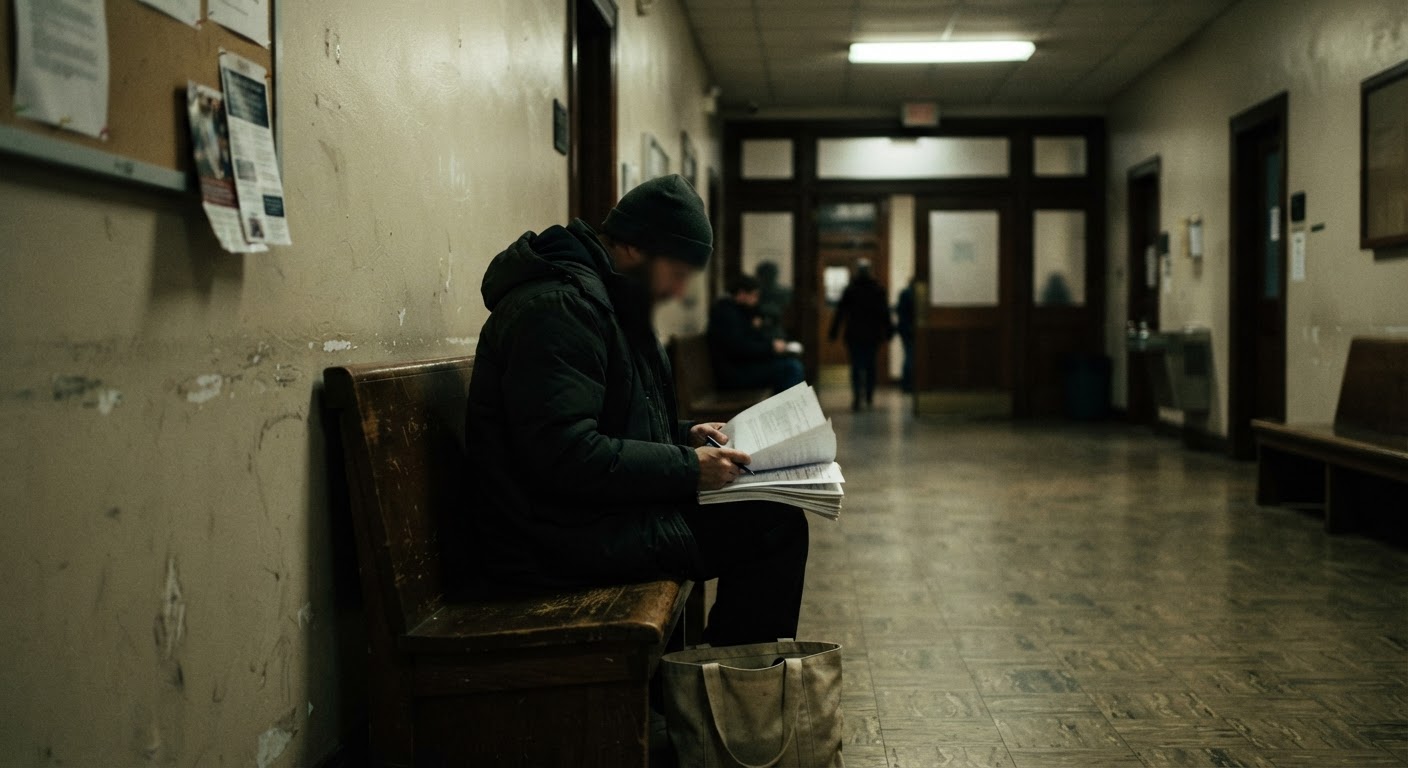
Myth vs. Fact: Can a Landlord or Judge Ask About Your Immigration Status?
Myth: If you’re undocumented, you have no right to fight an eviction in court. Fact: Eviction law in the United States is built around housing status and lease terms, not immigration status. Courts that handle eviction cases—often called landlord-tenant court, housing court, or unlawful detainer court depending on where you live—exist to resolve disputes about rent, leases, and property. Immigration status is generally not a legal question in that courtroom, and judges are not immigration officers.
In most jurisdictions, a judge cannot deny you the right to appear, present evidence, or respond to an eviction filing because of your immigration status. Attorneys and court staff are also generally not permitted to ask about it as a condition of helping you. If someone in a courthouse tells you that you have no rights because of your status, that is not accurate, and it’s worth pausing before you accept it as fact.
This doesn’t mean every outcome will go your way, and it doesn’t mean immigration status is irrelevant to your life outside that courtroom. But inside an eviction case, the legal questions being decided are about tenancy, not citizenship.
Your Right to Notice, a Hearing, and an Attorney Referral
Regardless of immigration status, tenants generally have a right to:
Written notice before an eviction filing. Landlords typically cannot remove you or change your locks without going through a formal legal process, which usually starts with a written notice.
A court hearing. If your landlord files for eviction, you generally have the right to appear before a judge, present your side, and respond to what’s being claimed. Missing this hearing—out of fear or confusion about status—can result in a default judgment against you, so appearing matters even if you’re unsure what to say.
Referral to legal aid or a lawyer. Many courts maintain lists of local legal aid organizations, tenant rights groups, or self-help centers that assist people regardless of immigration status. Court clerks can often point you to these resources even if they can’t give legal advice themselves.
If you’re not sure what your notice means or when your hearing is, don’t guess. Read the date carefully, and if anything is unclear, call a local legal aid office before the hearing date, not after.
What ICE Can and Cannot Do at a Courthouse or During a Housing Case
Fear of immigration enforcement keeps many people from showing up to court, which can make an eviction case worse, not safer. It helps to know the general boundaries.
Courthouses are public buildings, but many local courts have adopted policies limiting civil immigration arrests inside courthouses, specifically because they don’t want fear to stop people from participating in cases—including eviction cases, custody cases, or cases where they are victims of a crime. Policies vary by location and can change, so if this is a serious concern, ask a local immigrant legal aid organization what the current practice is in your area before your hearing.
What’s consistent almost everywhere: a landlord, property manager, or opposing party has no authority to detain you, demand your immigration documents, or have you removed from a hearing. Their role in the case is as the other party in a housing dispute, not as an enforcement authority. If someone claiming to be from ICE approaches you at a courthouse, you generally have the right to ask if you are being detained, and to remain silent about anything unrelated to the immigration question itself. If this happens, contact a legal aid or immigrant rights organization immediately afterward to report it and get guidance.
Finding Legal Aid That Doesn’t Check Immigration Status
Many legal aid organizations, tenant unions, and pro bono attorney networks serve clients specifically without asking about immigration status, because their mission is tied to housing stability, not citizenship. When you’re searching for help, look for organizations that describe themselves as serving “all residents,” “all tenants,” or that specifically mention immigrant or limited-English-proficiency communities in their materials.
A few practical ways to find them quickly:
Call 211 (available in many regions) and ask specifically for tenant legal aid or eviction defense services that serve undocumented residents.
Contact a local immigrant rights nonprofit—even if they don’t handle eviction cases directly, they usually know which legal aid groups do and can make a warm referral.
Ask shelter staff, community health clinics, or faith-based organizations in your area; they often maintain updated lists of trusted, no-status-check legal resources.
When you call, you can ask directly: “Do you require proof of immigration status to help with an eviction case?” A legitimate legal aid organization will answer this clearly and without hesitation.
Documenting Harassment or Threats Tied to Immigration Status
Some landlords use immigration status as leverage—threatening to report a tenant to immigration authorities if they complain about repairs, ask for a lease renewal, or fall behind on rent. This kind of threat is a serious issue on its own, separate from the eviction case itself, and documenting it can matter later.
If this happens, write down the date, time, and exact words used, as close to the moment as possible. Save text messages, emails, or voicemails without deleting anything, even if they feel upsetting to keep. If a threat happens in person and you feel safe doing so, follow up with a text or email that restates what was said, which creates a written record in your own words.
Bring this documentation to a legal aid organization even if you’re not sure it’s illegal where you live. Threats based on immigration status can sometimes support a separate complaint or affect how a housing case is viewed, and an advocate can tell you what applies in your situation.
Emergency Shelter and Rental Assistance Without Proof of Citizenship
If you’re at risk of losing housing in the next few days, emergency shelter and short-term rental assistance programs are often more accessible than people expect. Many local shelters operate on a no-questions-asked basis regarding immigration status, prioritizing immediate safety over paperwork.
Rental assistance programs vary widely by funding source—some require proof of income or lease agreements, but far fewer require proof of citizenship than people assume. Community action agencies, mutual aid networks, and immigrant-serving nonprofits are good starting points, since they often know which specific local funds have the fewest barriers.
If you’re calling on behalf of someone else—as a caseworker, shelter worker, or family member—ask directly whether a program checks immigration status before you refer someone, so you don’t send them into an intake process that puts them at risk or wastes limited time.
What to Bring to Court and Requesting an Interpreter
Bring any paperwork you’ve received about the case: the eviction notice, the lease if you have it, rent receipts, and any written communication with your landlord. If you don’t have all of this, bring what you have—missing paperwork is not a reason to skip the hearing.
If English is not your strongest language, you generally have the right to request a court interpreter at no cost. This can usually be requested by calling the court clerk’s office before your hearing date, or by asking in person when you arrive. Say clearly which language you need, and arrive a little early in case the interpreter needs to be located that day.
Write down your hearing date, time, and courtroom number somewhere you won’t lose it, and try to arrive with enough time to find the right room without rushing.