How to Recognize an Illegal Lockout Versus a Legal Eviction
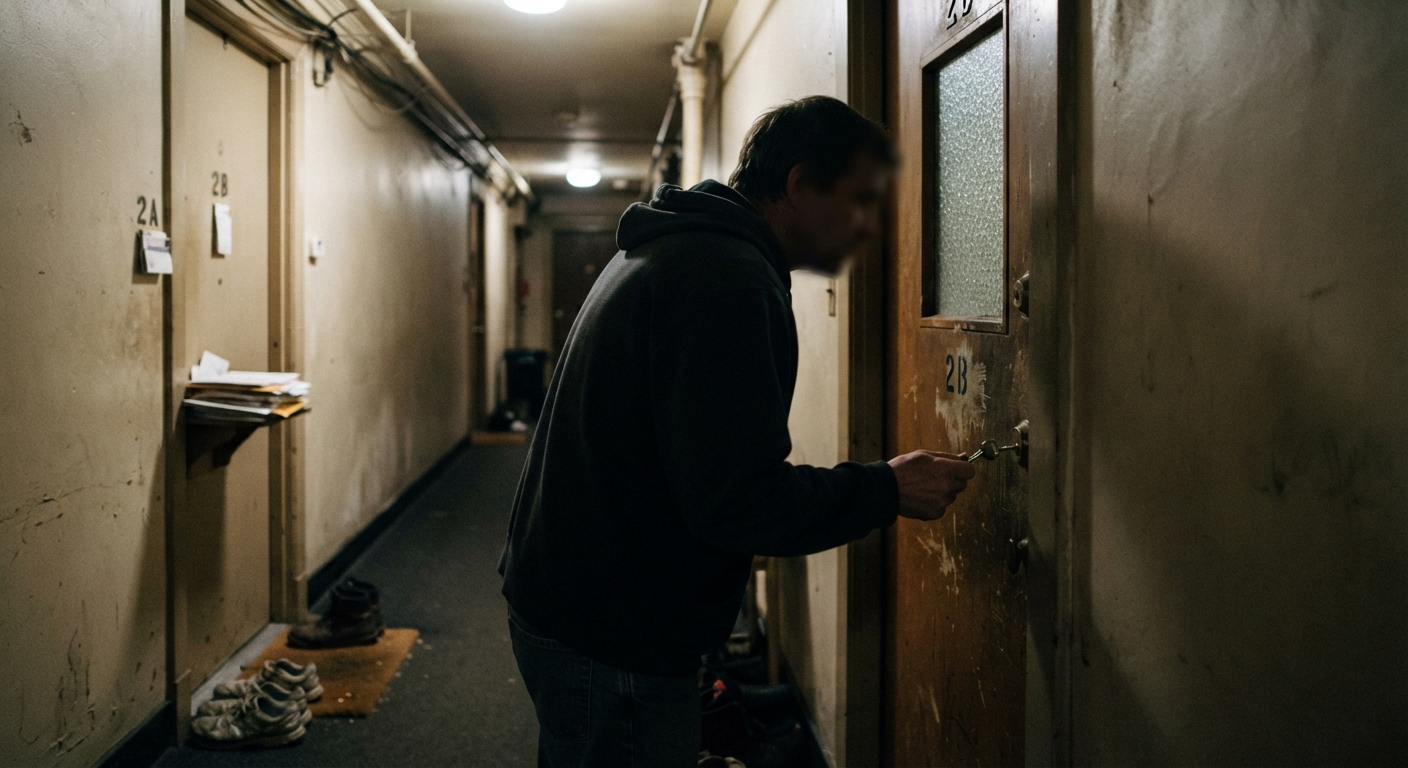
In almost every state, a landlord cannot remove you from your home without going through the court system first. That means a judge has to sign an eviction order, and in most places, a sheriff or constable is the only person legally allowed to carry out the physical removal and let a landlord change the locks. If none of that happened — no notice served on you by a process server, no court date, no written order, no uniformed law enforcement at your door — and you’re standing outside a door that no longer opens with your key, this is very likely an illegal lockout, sometimes called a “self-help eviction.”
Landlords sometimes do this because a court eviction takes weeks and costs money, and they hope a tenant won’t know their rights or won’t push back. Other warning signs of an illegal lockout include your belongings being moved out without your knowledge, utilities shut off deliberately by the landlord rather than the utility company, or a landlord physically blocking your entry. None of these are legal substitutes for a court-ordered eviction, no matter what a lease or a landlord tells you.
Immediate Steps: Call the Police and Document Everything
Go to the police first, even though this is fundamentally a civil housing issue. Many departments will send an officer to do what’s called a “civil standby” — they won’t force the landlord to let you in, but they will document the scene, sometimes verify your identity as the leaseholder, and note the condition of the door and lock. Ask the responding officer for a report number or incident number no matter what happens; you’ll need it later.
While you’re there, document everything you can see. Photograph the changed lock, the door, any notice taped to it, and anything visible through a window. Note the date and time. If you can see your belongings still inside, photograph that too — it matters for proving you were removed without a chance to gather your things. Keep a written timeline: when you last had access, when you discovered the lockout, and every conversation you have about it from this point forward.
Getting an Emergency Order to Get Back In
Most housing courts have some kind of emergency or expedited process for illegal lockouts, sometimes called a writ of restitution, an emergency restoration order, or a motion for immediate possession, depending on where you live. The fastest route is usually to call your local legal aid office first thing the next business day, or the same day if it’s still open, and say specifically: “My landlord locked me out without a court order.” That phrase moves you to the front of the line in a lot of intake systems.
If legal aid can’t see you immediately, go directly to the courthouse and ask the clerk’s office for the emergency or expedited motion process for illegal lockouts. Bring every piece of documentation you have. Courts that handle housing matters are generally used to these situations moving fast, because the harm — being shut out of your home — is considered urgent enough to warrant a quick hearing, often within a day or two.
Evidence to Gather
Build your file as if you’ll need to hand it to someone else, because you probably will. Useful evidence includes:
Photos of the changed locks and door, timestamped if your phone does that automatically. Any text messages, emails, or voicemails from the landlord, especially anything mentioning the lockout, back rent, or a deadline to leave. A copy of your lease or, if you never signed one, any proof of tenancy like rent receipts, utility bills in your name at that address, or mail delivered there. Names and phone numbers of any witnesses — a neighbor who saw the locks being changed, a friend who was with you when you discovered it, or the responding police officer. The police report number. A copy of any notice the landlord posted on the door, even a handwritten one.
Landlords Face Real Penalties for This — Use It to Negotiate
Self-help evictions carry consequences in most jurisdictions, and those consequences are your leverage. Depending on where you live, a landlord who locks a tenant out without a court order may owe you money damages, cover your costs to find temporary housing, or face fines. Some jurisdictions allow tenants to recover a set amount per day they were locked out, on top of actual damages.
You don’t need to know the exact number to use this. When you or your legal aid contact speaks with the landlord, simply stating that self-help evictions are illegal and that you intend to pursue an emergency court order tends to change the conversation quickly. Many landlords will let you back in immediately once they realize a court will very likely order it anyway, and that they’re now exposed to a claim for damages. Reentry today, negotiated directly, is often faster than waiting for a hearing — but keep pursuing the court process in parallel until you’re actually back inside.
If Your Belongings Are Already Gone
If you get inside, or get information, and find that your belongings were removed or thrown out, document that immediately with photos of the empty space and any trash or storage location the landlord mentions. In most places, landlords are required to store removed belongings for a period of time rather than dispose of them outright, and disposing of them without notice can add to your damages claim. Ask the landlord directly, in writing if possible, where your things are. If they refuse to say or admit they were thrown away, that goes straight into your court file — it’s some of the strongest evidence you can have that this was an illegal removal rather than a lawful eviction.
Police Versus Housing Court: Knowing Which Door to Knock On
Call the police when you need a civil standby, when there’s an active safety threat, or when the landlord is physically present and confrontational. Police can document the scene and sometimes de-escalate a tense moment, but they generally cannot order the landlord to let you back in — that’s a housing court decision. The moment the immediate scene is safe and documented, shift your energy to legal aid and the courthouse, because that’s where your actual path back inside comes from.
Finding Somewhere to Sleep Tonight
If you can’t get back inside today, you still need somewhere safe tonight. Call 211 if it’s available in your area — it connects you to local shelters, emergency housing funds, and crisis services in one call. Domestic violence shelters, family shelters, and general emergency shelters may all have same-night openings even if you don’t fit every category they typically serve; ask directly. If you have any local faith community, community action agency, or homeless outreach team nearby, they often keep a running list of same-night beds that isn’t always visible online. Keep your documentation with you wherever you go — you’ll need it for the court process that gets you home.