Why unpaid filing fees can silently forfeit your right to respond
Eviction cases move fast, and courts generally don’t pause that clock just because someone can’t come up with cash for a filing fee. If your court requires a fee to file an answer, a motion to dismiss, or a request for more time, and you don’t pay it or formally ask to have it waived, the clerk can simply refuse to accept your paperwork. From the court’s perspective, nothing was ever filed. Your deadline passes, and the landlord can ask for a default judgment — meaning you lose the case without a hearing, not because your defense was weak, but because a piece of paper never made it into the file.
This is one of the quietest ways people lose eviction cases. It has nothing to do with whether they had a good argument. It’s a paperwork and money problem that turns into a legal one. The fix is usually available, but it only works if you act before the deadline, not after.
What a fee waiver (in forma pauperis) request actually is
Most courts have a mechanism that lets someone who can’t afford filing fees proceed without paying them. It’s sometimes called a fee waiver, a request to proceed in forma pauperis, or an application to waive court costs, depending on where you live. The exact name and form vary by court, but the idea is the same everywhere: you tell the court, in writing, that you don’t have the money to pay filing fees right now, you back that up with some proof of your financial situation, and a judge or clerk decides whether to let your case move forward fee-free.
This isn’t a loan, and it isn’t a promise to pay later. If it’s granted, the fee is simply waived for that filing. It also isn’t automatic — you have to actively request it, usually on a specific form, and submit it at or before the same time you’re trying to file your answer or motion. Sitting on it because you’re not sure you’ll qualify is the most common way people miss their window.
Income and benefit documents that typically qualify you automatically
Courts vary in exactly what they require, but most fee waiver forms ask you to either show your household income falls under a certain level, or show that you already receive certain public benefits. If you’re currently enrolled in programs like SNAP, TANF, SSI, Medicaid, or public housing assistance, that enrollment often qualifies you for the waiver without much additional proof — you may just need to list the program and, if asked, provide a benefits letter or card.
If you’re not on any of those programs, you’ll likely need to show income instead: a pay stub, an unemployment benefits statement, a Social Security award letter, or even a written statement of your monthly income and expenses if you have no other documentation. Some forms also ask about dependents, since a low income supporting a larger household strengthens the request.
Gather whatever you have on hand rather than waiting to track down something perfect. A recent pay stub, a benefits card, or a printed screenshot of an online benefits account is usually enough to submit alongside the form. If you genuinely have no documents at all, most forms still let you swear to your financial situation under penalty of perjury — a sworn statement is often accepted when paperwork isn’t available.
Where to get the waiver form and how fast clerks usually rule on it
The fee waiver form is typically available at the same courthouse clerk’s window where you’d file your answer, and many courts also post it on their website under a name like “fee waiver,” “in forma pauperis application,” or “request to waive court fees.” If you’re not sure which form applies to eviction cases specifically, ask the clerk directly — court clerks generally cannot give legal advice, but they can point you to the correct form and confirm what documentation they accept.
Once submitted, these requests are usually decided quickly, often the same day or within a few business days, precisely because courts know they’re tied to filing deadlines. Some courts rule on the waiver before accepting your answer; others let you file both at the same time and sort out the fee question after. If a courthouse has a self-help center, legal aid desk, or navigator program on-site, that’s often the fastest way to get the right form filled out correctly the first time, since a rejected or incomplete waiver application can cost you the same days you’re trying to save.
What to do if the waiver is denied and you still can’t pay
A denial doesn’t necessarily mean your case is over — it usually means the court wants either payment or more information. Ask the clerk specifically why it was denied. Sometimes it’s because a document was missing, the income figures didn’t match what was reported, or the form wasn’t filled out completely. If that’s the case, you may be able to correct it and resubmit quickly, sometimes still within your original deadline window if you act the same day.
If the denial is final and payment is genuinely required, ask the clerk whether the court allows a partial fee, a payment plan, or a short extension to gather the funds. Not all courts offer this, but some do, and it costs nothing to ask. This is also a point where contacting a local legal aid organization or tenant helpline can matter — they often know which local courts have flexible practices and can sometimes intervene or advocate for additional time on your behalf.
Whatever you do, don’t let a denied waiver become a reason to give up on responding altogether. Even a partial response, or a same-day request for a short extension explaining the fee issue, keeps the case active and preserves your chance to be heard.
Filing the waiver alongside your answer so you don’t miss your deadline
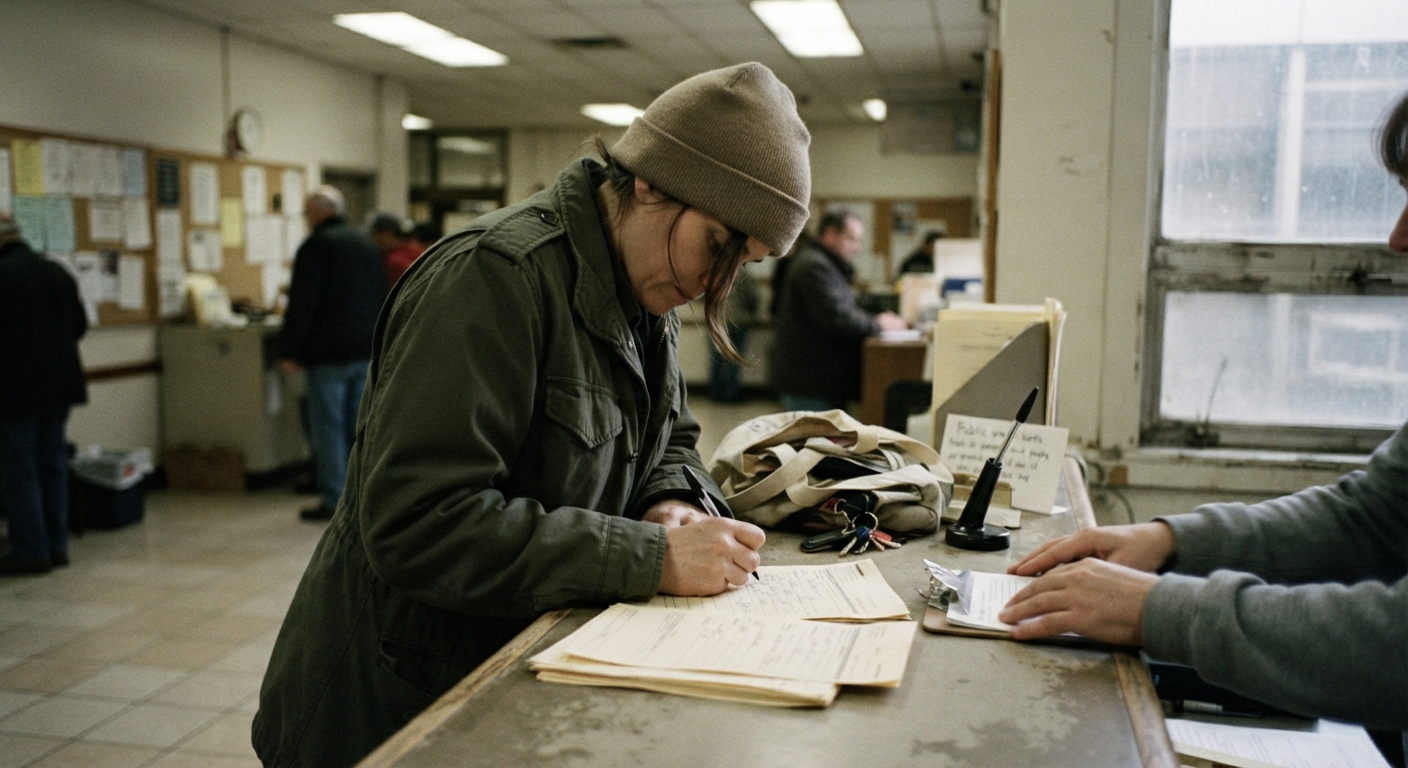
The safest approach is to treat the fee waiver as part of your answer packet, not a separate errand to handle later. Fill out your answer or motion first, then fill out the fee waiver form, then bring both to the clerk’s window together, before your deadline — not after. If you’re filing electronically, upload both documents in the same submission if the system allows it, or check whether the portal requires the waiver to be approved first.
If you’re running out of time and can’t get the waiver form completed perfectly, file your answer anyway along with whatever version of the waiver request you have, even a handwritten statement of your financial situation, and ask the clerk what else is needed to complete it. Courts generally care more about getting a complete waiver request eventually than about it being flawless on the first attempt — but they can’t work with nothing. Getting something in front of the clerk before your deadline, even imperfectly, is what keeps your case, and your right to respond, alive.