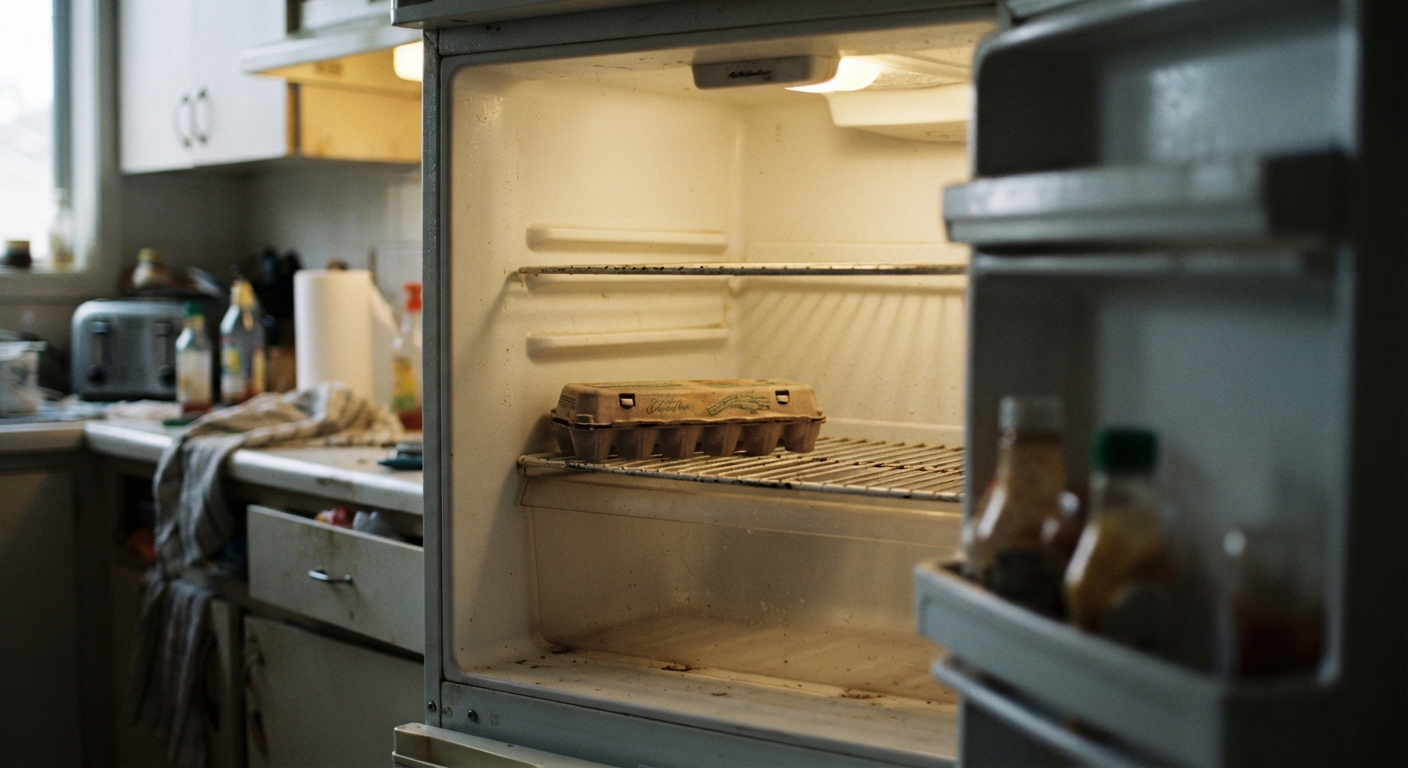
If you’re down to almost no food and almost no money, you don’t have to wait the weeks that normal SNAP processing can take. Federal rules require states to offer “expedited” service to households in the worst shape, and when that applies, benefits are supposed to land on your card within seven calendar days of the day you apply. This isn’t a separate program — it’s a fast lane inside the regular SNAP application. Getting into that fast lane is mostly about how you present your situation on day one.
Who Qualifies for Expedited Processing
Standard SNAP applications can take up to 30 days to process. Expedited processing exists for households facing an immediate crisis, and most states use versions of the same three triggers:
- Very low or no income right now. If your household’s cash on hand, plus money coming in this month, falls under a low threshold set by your state, you likely qualify. This isn’t about your income last year or even last month — it’s about what you have access to today.
- Very little in liquid resources. Cash, checking and savings balances, and similar accessible funds below a set limit count toward this trigger.
- Migrant or seasonal farmworker status with limited resources, which has its own qualifying rule in most states.
There’s also a related but distinct category: households where every member is a recipient of certain other assistance programs may be treated as automatically income-eligible for SNAP, though that doesn’t by itself guarantee expedited timing — the crisis triggers above are what drive the 7-day clock.
The exact dollar thresholds for “very low income” and “very little in resources” are set by your state agency and adjusted periodically, so don’t rely on a number you saw somewhere else. Ask the caseworker directly what the current expedited thresholds are in your state, or check your state SNAP agency’s website before you apply, so you know where you stand before you walk in.
How to Request Expedited Service
Here’s the part people miss: expedited processing is not automatic just because you’re broke. A caseworker has to screen for it, and that screening often happens right at the intake stage — sometimes in the first few questions of the application. If you don’t clearly say that you have no food, no money, and no way to buy food before your next payment, the application can slide into the standard 30-day queue by default.
When you apply, whether online, by phone, in person, or by mailing a paper form, do these things:
- Say the words “emergency” and “expedited” out loud or in writing. Don’t assume the severity of your situation speaks for itself. State plainly: “I have little or no food, little or no money, and I’m requesting expedited SNAP processing.”
- File the application the same day you contact the office. The seven-day clock starts on the day the office receives a signed application — even a bare-bones one with just your name, address, and signature is enough to start it. You can add details afterward.
- Ask specifically whether you’ve been screened for expedited service. If the worker doesn’t mention it, ask directly. Screening for expedited eligibility is supposed to happen at first contact, not after a multi-day wait for a full interview.
- Request an interview the same day or next business day if possible. For expedited cases, states are supposed to move quickly on interviews rather than scheduling them out.
If you’re a caseworker, shelter staff member, or family member helping someone apply, this is the single highest-leverage thing you can do: make sure the crisis language is in the application and said clearly to whoever takes it. A quiet, polite application that never uses the word “emergency” is far more likely to get routed to standard processing by mistake.
Documents That Prove the Crisis Threshold
Expedited SNAP is designed to move fast precisely because full verification isn’t required upfront. You are not expected to show up with a folder of notarized paperwork. That said, having a few things on hand speeds everything up and reduces the chance of a delay:
- Photo ID for the applicant, if you have it. If you don’t, say so — lack of ID should not stop an expedited application.
- Proof of address, such as a lease, a piece of mail, or a shelter intake letter. If you’re unhoused or between addresses, tell the worker; SNAP does not require a permanent address to apply.
- Any proof of income or lack of it — a recent pay stub, a termination letter, an unemployment denial, or simply a clear verbal statement of what money is coming in, if any.
- Proof of housing costs and utility bills, if available, such as a shutoff notice, eviction notice, or current utility bill. These help calculate the amount of your benefit later, though they generally aren’t required to unlock the expedited timeline itself.
- Bank statements or a simple statement of cash on hand, to support the “little or no resources” claim.
If you don’t have a document, don’t let that stop you from applying. Federal rules limit how much verification a state can require before releasing expedited benefits, precisely because people in crisis often don’t have paperwork organized. Bring what you have, state clearly what you don’t have, and let the caseworker tell you what, if anything, still needs to be provided after the benefits are issued.
If the 7-Day Deadline Is Missed
Sometimes the system is backed up, understaffed, or a case simply falls through the cracks. If it’s been seven calendar days since you filed a signed application and you were eligible for expedited service, and nothing has shown up on your EBT card, take these steps in order:
- Call your caseworker or the SNAP office directly and ask for the status of your case, referencing that you applied for expedited service on a specific date.
- Ask to speak with a supervisor if the frontline worker can’t tell you why it’s delayed. Be specific: “This was an expedited application filed on [date]. Federal timelines require benefits within seven days. What’s the status?”
- Contact your state’s SNAP hotline or client services line, which exists separately from local offices specifically to handle timeline complaints.
- File a formal complaint or request a fair hearing if the delay continues. Every state SNAP program has an appeals process, and missed expedited deadlines are a valid basis for one. Ask the office how to start this process, or look up “SNAP fair hearing request” for your state.
- Contact a local legal aid organization or SNAP advocacy hotline. Many areas have free legal aid groups that specifically help with public benefits delays, and they deal with missed expedited deadlines regularly. A caseworker, shelter, or 211 referral line can usually point you to the nearest one.
Keep a simple written log as you go — the date you applied, who you spoke with, and what they told you. If this turns into an appeal, that timeline is the most useful thing you can hand to whoever helps you next.