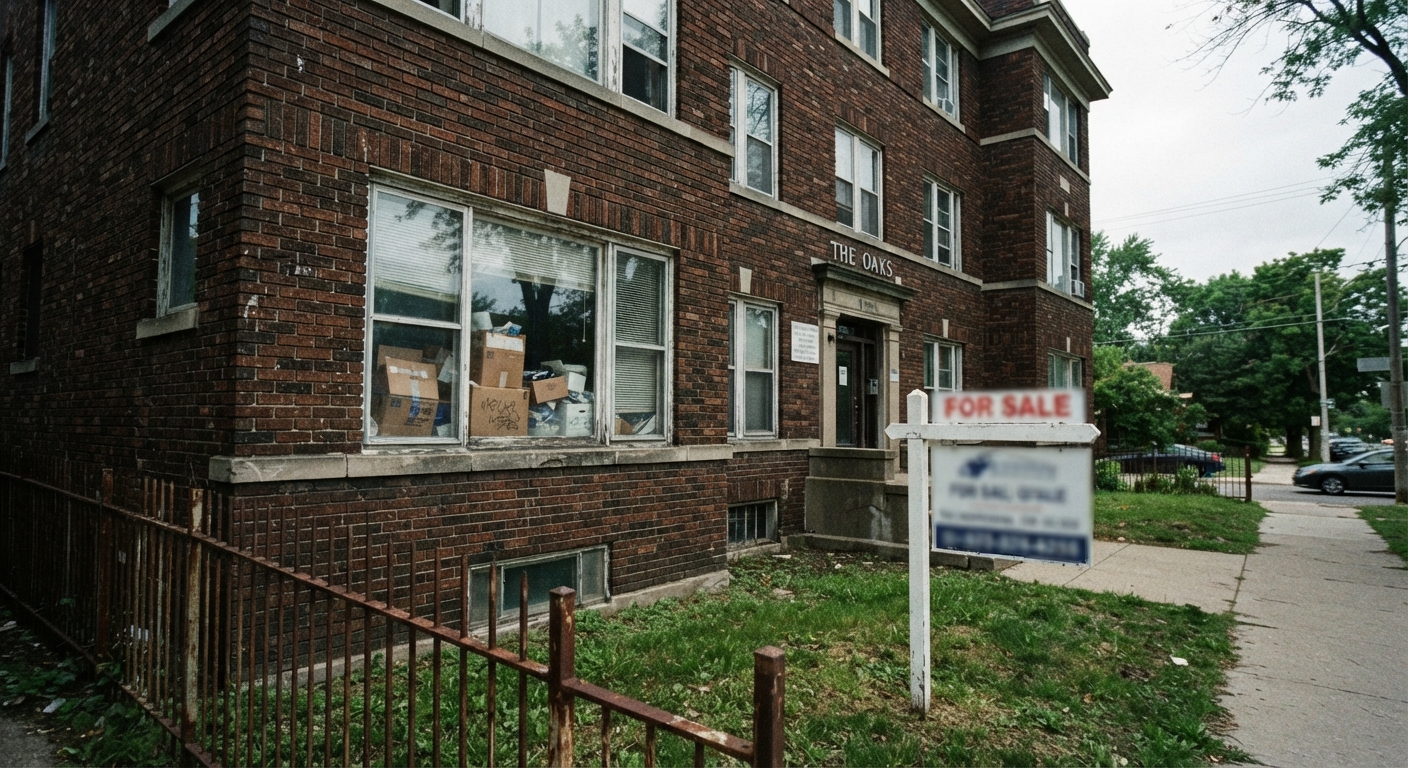
A “for sale” sign in the yard, a letter from a real estate agent, or a text from your landlord saying “just so you know, I’m listing the place” — none of it ends your lease. Selling real estate does not cancel the rental agreement attached to it. The property changes hands; the tenancy usually goes with it. This is true whether the sale is to a new individual landlord, an investment company, or a bank after a foreclosure, though foreclosure timelines can move faster and have their own rules. Your job right now is to separate what actually changes from what someone might be hoping you’ll assume changes.
Why a sale doesn’t automatically end your tenancy
In most places, a lease is a contract tied to the property, not to a specific owner’s mood. When a landlord sells, the new owner generally buys the building “subject to” existing leases — meaning they inherit your rental agreement along with the roof and the plumbing. If you have a fixed-term lease (say, a 12-month lease with eight months left), that term typically continues to run under the new owner. If you’re month-to-month, the tenancy also continues, but month-to-month arrangements can usually be ended with proper notice more easily than a fixed lease — that’s a separate issue from the sale itself.
What a sale does not do, on its own, is give a new owner the right to walk in and tell you to leave by next weekend. If someone tells you that owning the building now means your lease is void, ask them to point you to the actual notice provision or state the specific rule. “The lease is void because I bought the building” is not, by itself, a real legal outcome in most jurisdictions.
What happens to your existing lease terms under a new owner
The terms you signed up for — rent amount, due date, pet policy, who pays which utilities, renewal options — normally carry over exactly as written. A new owner can’t unilaterally rewrite your lease mid-term just because they’d prefer higher rent or different rules. They can offer you a new lease with different terms once your current one is up, or ask you to sign something new, but you’re not required to sign anything just because ownership changed. If your existing lease is still active, it stays in force until it naturally ends or until it’s terminated the way leases are normally terminated — not because a sale happened.
Two things genuinely can change with new ownership: where you send rent, and who you contact for repairs. You should get a written notice telling you the new owner’s name, mailing address, and how to pay rent going forward. Until you receive that in writing, it’s reasonable to keep paying the same way you always have and keep a record of it. If a new owner shows up verbally demanding rent be redirected somewhere new with no paperwork, that’s a moment to slow down, not speed up — get something in writing before you change how or where you pay.
Where your security deposit legally has to go during a sale
Your deposit doesn’t disappear when the building sells, and it isn’t the outgoing landlord’s money to pocket on the way out the door. In the large majority of jurisdictions, one of two things is supposed to happen at closing: the seller transfers your deposit (plus any accrued interest, where interest applies) to the new owner, or the seller returns the deposit directly to you and the new owner collects a fresh one. Either way, someone should be able to tell you, in writing, who is currently holding your money.
This matters intensely at move-out time. If the new owner claims they never received your deposit and the old owner claims they already sent it, you can end up in the middle of a dispute that has nothing to do with whether you kept the apartment clean. Protect yourself now, not later: ask both the outgoing and incoming owner, in writing (email is fine), who holds the deposit and how much it is. Keep your original move-in paperwork, receipts, and any deposit-related correspondence together in one place — a folder, an email thread, a photo album on your phone — so you’re not searching for it during a stressful move-out later.
Red flags: notices that try to force you out faster than the law allows
Sale season brings out pressure tactics, sometimes from people who genuinely don’t know the rules and sometimes from people hoping you won’t check. Watch for these patterns:
A verbal deadline with no written notice. “You need to be out in two weeks so we can close” is not a legal notice. Proper termination or non-renewal notices are almost always required to be in writing, with specific timeframes that don’t shrink just because a closing date is approaching.
Utilities or services cut before any court process. If heat, water, or electricity gets shut off, or locks get changed, as a way to encourage you to leave faster, that’s a serious red flag regardless of who now owns the property. Ownership changes don’t create a shortcut around normal eviction procedures.
“The new owner doesn’t honor old leases” claims. This is one of the most common myths repeated by people who want a tenant gone quickly. A lease generally survives a sale. If someone states flatly that it doesn’t, ask for that in writing and keep it — it may matter later.
Rent increase demands mid-lease. A new owner generally can’t raise rent on you mid-term just because they’d like to. Increases typically happen at renewal or on proper notice for month-to-month tenancies, not on a whim right after closing.
Pressure to sign something fast, with no time to read it. If a new owner hands you a new lease or an agreement to leave and pushes you to sign on the spot, slow down. You’re allowed to take a copy, read it, and ask questions before signing anything.
Steps to take this week if you get a sale notice or new owner letter
Start by gathering your paperwork: your current lease, your deposit receipt, and any recent rent payment records. Put them somewhere you can find them quickly.
Next, get everything about the ownership change in writing. If someone tells you the building sold, ask for the new owner’s legal name and mailing address, and ask directly who’s holding your security deposit. A short, polite email works: “Can you confirm in writing who now owns the property and who is holding my security deposit?” Save the reply.
Keep paying rent on schedule, the same way you always have, until you have written confirmation of a change. Don’t stop paying because you’re unsure who owns the building — that can create problems for you even if the ownership confusion isn’t your fault.
If you receive any notice that says you must leave, read the timeframe carefully and don’t assume it’s shorter than it looks. Notice periods and required procedures vary by location, so if anything in a notice seems rushed, unusual, or verbal-only, contact a local tenant rights organization, legal aid office, or housing counselor before you act on it. Many offer free, fast guidance specifically for situations like this, and time matters — the earlier you ask, the more options you usually have.